
Structural Timber Buildings Fire Safety in Use Pattern Book Updated
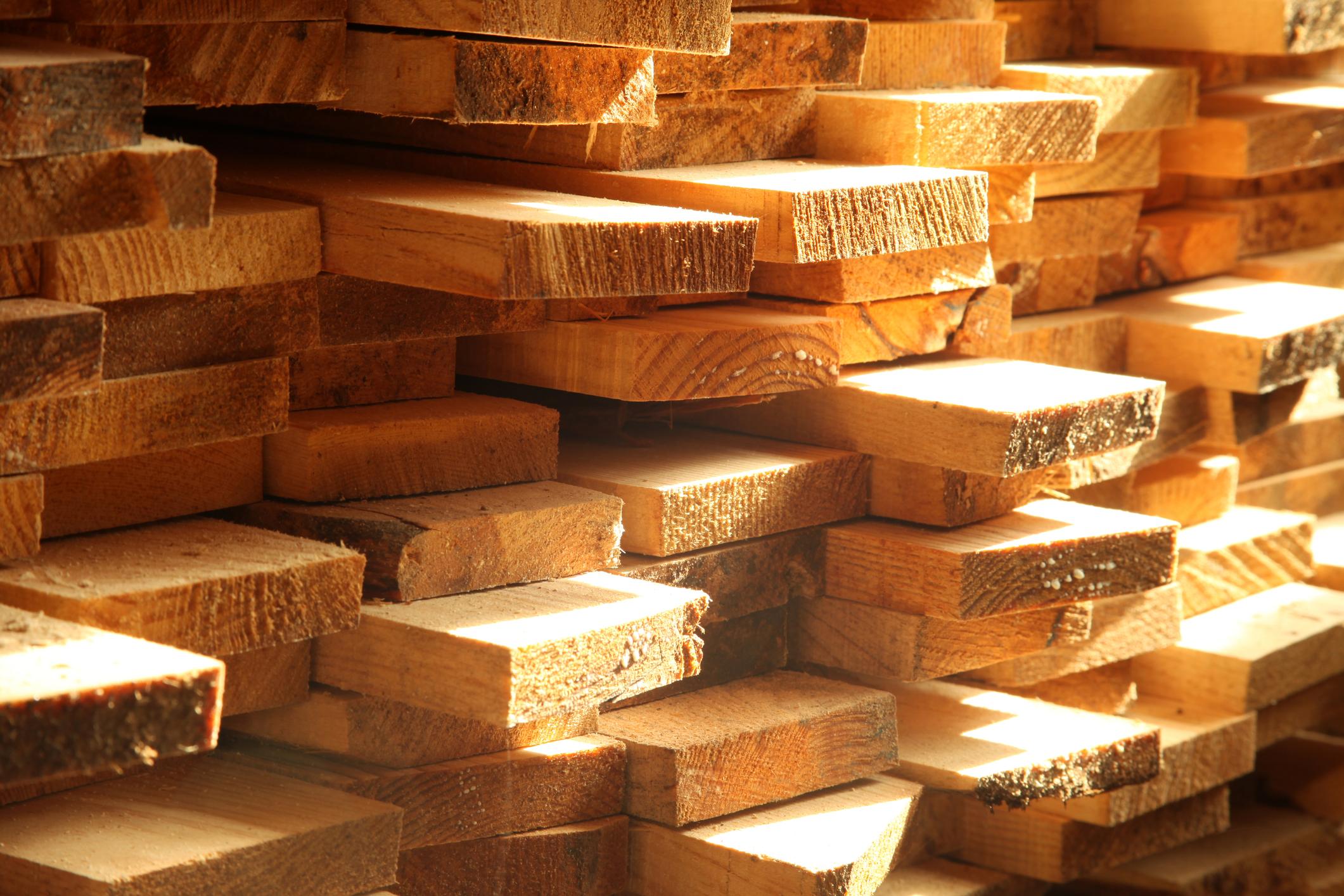
The Structural Timber Association (STA) has published an updated version of its STRUCTURAL TIMBER BUILDINGS FIRE SAFETY IN USE – Volume 1 Pattern Book Systems.
The STA have stated:
This updated Volume 1 Pattern Book is a key part of the Structural Timber Association’s technical documentation. It provides clear, practical information backed by extensive testing and research into the fire resistance performance of commonly used structural timber wall and floor systems.
The guide sets out the make-up of each element, explains the components used in the build-up and outlines what changes can and cannot be made. It gives designers, specifiers and contractors confidence that the systems referenced are supported by robust EN fire resistance testing research and assessment.
This is the latest version and replaces all previous editions. Please ensure you are working from Version 3.3 (February 2026) and disregard all earlier versions.
Within this revision the STA have strengthened information aiming to prevent use of the publication on projects where the kit is not being provided by an STA member manufacturer, as outlined below:
IMPORTANT NOTICE: None of the external wall timber frame, party wall or spandrel panel elements presented in this publication may be used by non-member manufacturers operating outside of STA Assure. Clients, designers and contractors choosing to work with manufacturers who are not members of the STA, or with members providing elements outside the scope of this Pattern Book, will need to ensure that evidence of fire resistance performance is provided from other sources.
A key point here is that our manufacturing members are required to participate in STA Assure and are therefore subject to independent auditing to confirm that they are acting responsibly. This includes ensuring they play their part in delivering buildings designed and constructed using elements supported by appropriate evidence of fire resistance performance, whether drawn from the Pattern Book or other valid sources.
In contrast, there is no equivalent oversight of non-member manufacturers. Given that disparity, we believe it is now appropriate to take additional steps to prevent non-members from using the Pattern Book. In practical terms, this does not represent a new restriction, but rather a strengthening and clearer communication of a position that has always existed.
End.
Related Content
SBSH Delivers Training on Air Tightness and...

Job Vacancy at the Scottish Building...

LABSS / SBSH Website Planned Downtime